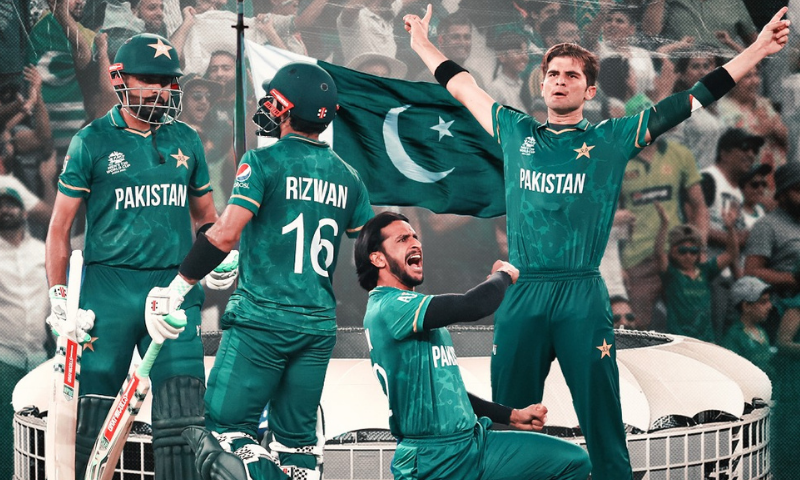
Cricket slips into daily life the way nicknames do-easy, warm, and a little bit personal. A weekday chase can turn a quiet living room into a loud corner of the neighborhood; a final over pulls cousins into the same call even if they’re in different cities. People bring snacks, stories, and lucky rituals. Someone checks field settings, someone hums a theme song, and someone else promises a victory treat. Wins feel like a festival; losses feel like a group sigh followed by “next time.” What keeps everyone coming back isn’t stats alone; it’s the feeling that you watched together and kept a tiny tradition alive.
Screens That Feel Like Stadiums
Phones and TVs have become friendly grandstands. A tap starts a stream, a banner alert brings you to the big moment, and a short replay lets you relive the turning point before the next ball. Friends sync up across time zones with quick “play now” messages, while living rooms turn into mini-stands-one person on the remote, others on score apps and memes. During busy evenings, viewers hop between live video and bite-sized highlights without losing the thread; during travel, audio keeps the mood alive when the network dips. In the middle of that flow, when someone wants fixtures, a clean scorecard, and a steady live feed, the page that keeps everything in one place is where you simply read more and carry on.Shared screens, fast replays, and chat windows do the rest, stitching distant rooms into one crowd for the length of the match.
Language, Laughter, and Local Commentary
Cricket feels warmer when it speaks the way we do. A quick Marathi quip after a misfield, a sharp Hindi line timed to the replay, a Tamil aside that makes even a dot ball raise a smile-those tiny switches pull everyone into the same headspace, no matter where they’re watching. In the chats, scripts and slang sit side by side: a Hinglish meme, a Punjabi comeback, a Bengali caption-all piled under the same highlight, all landing just right.
Regional Session
Regional commentators add seasoning that a neutral feed can’t-street names, festival references, and everyday phrases that turn analysis into conversation. The humor isn’t canned; it’s cousins trading nicknames, colleagues teasing office rivals, and old classmates reviving jokes from school tournaments while the chase tightens. Even diaspora viewers fold in smoothly, keeping local banter alive across time zones so a late-night stream abroad still feels like a neighborhood lane back home.
How “local” keeps the stream lively:
- Dialect on demand: viewers swap languages mid-chat, and commentary tracks follow-no one sits out because of phrasing.
- Inside jokes travel: city slang, college chants, and state-specific nicknames make highlights feel personal.
- Festival flavor: match nights borrow cues from the season-Ganesha shout-outs, Onam nods, Eid wishes-so the feed mirrors real life.
- Micro-moments that stick: a cheeky aside after a yorker, a rhyming taunt for a dropped catch, a quick chorus when the target drops under a run-a-ball.
- Family-friendly lanes: subtitles and clean recap clips help grandparents and kids join without extra setup.
- Diaspora echo: late streams abroad pick up the same punchlines and chants, turning distance into a delay-not a divide.
That blend of familiar words and playful wit is what transforms a plain live feed into a living room. You don’t just watch the game; you hear it in your own voice, stitched together by accents, memes, and regional rhythm that make every over feel shared.
The Digital Gully: From Group Chats to Global Cheers
The old neighborhood lane lives online now. Pre-match, friends drop predictions in WhatsApp; during overs, scorecards, stickers, and short replays ping across the group; after stumps, someone edits a thirty-second tribute and the thread keeps breathing till midnight. Strangers join the chorus on social feeds and suddenly a street-corner vibe stretches across cities and time zones. Watch parties sync TV screens with phone chats, travellers listen on audio when signal dips, and highlight reels make sure no one misses the turning point. What began as a handful of messages becomes a rolling cheer that outlasts the match-proof that a digital lane can still feel like home ground when everyone shows up with the same heartbeat.
Why Cricket Still Feels Like Home
Home isn’t a place in cricket-it’s a rhythm. It’s chai on the stove during the toss, a cousin calling just before the final over, a parent pretending not to watch but asking for the score anyway. The game sits inside family rituals and friend groups the way festival songs do: everyone knows the cues, everyone joins in, even if they’re far apart. A boundary brings the same grin in a hostel room as it does in a small-town living room; a narrow loss ends with the same promise-“next time.”
What keeps that feeling alive is how easy it is to gather around it. One link starts a stream, one message fills a chat, and suddenly the match has a crowd again. The language bends to the room. Three tongues in one thread, nicknames only your circle understands, running jokes that surface every season like clockwork. Players change, venues rotate, screens get smaller or bigger-but the routine doesn’t budge: watch together, talk it out, and carry that buzz into the week. That’s why cricket still feels like home. It doesn’t ask much to bring people close; it just gives them one more reason to show up for each other.