
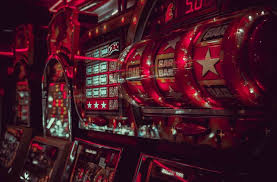
Online slots and cabinet slots are built on the same idea—random spins checked against a paytable—but they diverge in distribution, pacing, design freedom, and how players interact with them. Understanding those differences helps explain why the experience, risk, and even habits around the two formats can feel so distinct.
How Similar Are the Core Mechanics?
At the mechanical level, both online and physical slots rely on random number generator (RNG) software that maps random outputs to reel positions and symbol outcomes. Industry and technical guides describe modern cabinet machines as essentially computers in boxes, using RNG chips and digital reel mapping even when mechanical reels are displayed, while online slots run the same type of logic on remote servers with the interface rendered in software. In both cases, the sequence is consistent: the RNG picks values at high speed, a spin action captures one set of numbers, those numbers define virtual reel stops, and the game engine checks the result against paylines and the paytable before crediting or debiting the balance.
Because of this structural similarity, the house edge and long‑term behaviour depend on paytable and reel‑strip design rather than whether the game is played on a floor cabinet or a browser. Regulatory descriptions emphasise that both land‑based and online slots are tested using large sample simulations to verify that their payout percentages match published or approved ranges. The biggest differences, therefore, come from how these identical mechanics are packaged, distributed, and experienced, not from the underlying math.
How Do RTP and Volatility Tend to Differ Between Formats?
While exact figures vary by jurisdiction and operator, surveys of markets show that online slots often advertise higher average return‑to‑player (RTP) percentages than many traditional casino floors. Guides on online slot payouts commonly cite RTP bands around 95–97% for many titles, while analyses of land‑based cabinets in some regions note floor averages that can be several percentage points lower, especially on low‑denomination machines. Even small percentage differences matter over huge numbers of spins, because each extra percent of RTP reduces the long‑run house edge by the same amount.
Volatility profiles also diverge as design space has expanded online. Digital titles more frequently use complex features, multipliers, and “ways to win” systems that push variance higher, concentrating more of the game’s expected value into occasional large hits or bonus rounds. Physical slots certainly include volatile designs, but cabinet real estate, legacy design constraints, and local preferences often keep a substantial portion of floor product in simpler, more moderate‑volatility categories. The net effect is that online libraries may, on average, present players with more high‑swing options at slightly better theoretical payback, while floor machines put more weight on steady revenue and local regulation.
How Does the Player Experience and Pacing Change?
Physical slot machines embed the player in a sensory environment of sound, lights, and nearby people, where the effort of moving between banks or cashing out inserts natural pauses. Field research on casino design highlights how the walk to different parts of the floor and physical ticket handling introduce friction that can slow down compulsive play, even if the machines themselves spin quickly once seated. Social presence—seeing other players, hearing jackpots, observing staff—also shapes behaviour and perceptions of luck or fairness.
Online slots compress this friction. Once an account is funded, moving between titles is often a matter of two taps, and autoplay or turbo features can run dozens of spins per minute from a sofa or commute. Reports on digital gambling note that this ease of repetition and lack of context shifts can make sessions both more frequent and more intense, especially on mobile devices where other activities sit a swipe away but do not require getting up or interacting in person. The core randomness stays the same, yet the tempo and environment around it change how quickly bankrolls cycle and how the experience feels emotionally.
Experience Comparison: Floor Cabinet vs Online Session
Looking at the two contexts side by side clarifies why they often lead to different play patterns.
| Aspect | Physical slot cabinet | Online slot session |
| Access | Requires visiting a venue, obeying opening hours. | Available from home or mobile, often 24/7. |
| Session friction | Walking, seating, cashing in/out slow transitions. | Instant game switching, one‑click deposits and autoplay. |
| Social context | Others nearby, staff visibility, ambient noise. | Mostly solitary; social cues replaced by UI notifications. |
| Spin pacing | Fast spins but manual by default. | Turbo modes and extended autoplay possible. |
| Environmental control | Casino controls light/sound; player adapts. | Player controls volume, brightness, and setting. |
These contrasts show that “where” and “how” you interact with the same mechanic can change both risk exposure per hour and the psychological feel of winning and losing, even before considering RTP and volatility differences.
How Do Access, Convenience, and Session Length Shift Online?
Physical machines limit access through geography and time: a player must travel to the venue, pass age checks on entry, and is constrained by opening hours and travel costs. Economic and behavioural analyses note that these constraints naturally cap how often someone can play, especially if casinos are not local. Online slots, by contrast, collapse those barriers; once an account exists, slots can be opened from a laptop or smartphone at any time that the jurisdiction allows remote gambling.
This convenience expands both the number of potential sessions and the contexts in which people might play, from short breaks to late‑night use. Accessibility studies stress that when games are integrated into everyday device use, it becomes easier for play to drift from occasional entertainment into more regular habit, particularly for users with impulsive tendencies or low awareness of time and money spent. For that reason, regulators and some operators now require or promote clock displays, session reminders, and time‑out tools more heavily in online interfaces than on physical machine screens.
How Do Regulations and Testing Frameworks Compare?
Both land‑based and online slots are regulated, but oversight structures and visibility can differ. In many mature markets, cabinet slots are licensed and inspected by local gaming commissions, which certify that RNG modules, paytables, and payout percentages conform to approved ranges and that physical devices meet security and tamper‑resistance standards. Inspectors can pull and test individual machines, and operators face penalties if hardware or software deviates from approved configurations.
Online slots are usually certified through remote technical testing and licensing regimes, often at the jurisdiction or multi‑jurisdiction level. Independent labs run long simulated sessions on game builds to confirm RTP, randomness, and correct implementation of posted rules before they can go live with licensed operators. Some regulators additionally require regular reporting of game performance or centralised RNG controls, although enforcement quality varies widely between tightly regulated and loosely regulated markets. For players, this means that trust depends not just on format but on which regulator and test lab stand behind a given cabinet or online catalog.
What Changes in Game Variety and Feature Design?
Physical floor space, hardware constraints, and maintenance costs limit how many distinct cabinet titles a casino can host at once. Observational reports note that large properties may offer hundreds of machines, but many of those units run the same small set of popular games, and refresh cycles for new cabinets can be slow due to capital cost. Themes and features tend to be tuned for broad appeal, with a mix of classic and branded titles but fewer extremely niche experiments.
Online libraries, conversely, can host thousands of slot titles from multiple studios because adding a game is primarily a matter of licensing and integrating software rather than installing new hardware on every customer’s premises. Digital‑only features—dynamic reel layouts, complex animations, networked progressive jackpots across many sites—are easier to deploy and update when the runtime environment is a browser or app. As a result, online players typically see more rapid innovation in mechanics and themes, plus variant RTP settings and volatility profiles of the same base title tailored to different markets.
How Do Payment Flows and Limits Differ?
Physical slot sessions often begin with cash, tickets, or chips converted at a cage or kiosk, and end when the player cashes out a voucher or collects coins, usually in person. That flow creates physical checkpoints where staff or the player can observe the actual banknotes involved, sometimes making losses and wins feel more concrete. Credit and debit integration is restricted or banned in physical machines in some jurisdictions for responsible‑gambling reasons, further reinforcing the cash‑chip cycle.
Online slots operate through digital wallets and banking integrations: deposits are made via cards, bank transfers, e‑wallets, or other methods, and balances are displayed as numbers on screen. While this supports convenience and multiple currencies, behavioural literature points out that abstracting money into digital balances can weaken intuitive feeling for losses, especially when combined with small denomination units and fast play. Regulatory responses include mandatory deposit limits, cooling‑off periods, and self‑exclusion tools for online accounts, whereas physical venues often rely more on on‑site staff, signage, and property‑wide exclusion schemes.
How Does the casino online Hub Shape Slot Usage?
In many modern settings, online slots do not operate in isolation; they sit inside broader casino online hubs that offer table games, live dealers, instant‑win games, and sometimes non‑casino entertainment under the same login. In this context, the slot interface is surrounded by navigation, promotions, and account controls that encourage movement between products and quick resumption of previous games. This integration makes it easier to treat slots as one click among many activities, reinforcing their role as a default choice when users log in without a specific plan.
The hub’s design also influences how clearly RTP, volatility, and game rules are communicated across online titles, which affects how informed players feel about their options. When menus highlight RTP ranges, feature summaries, and responsible‑play tools, players can at least see structural differences between slots at a glance; when information is buried, the friction of checking details may push people toward superficial choices driven by graphics or promotions instead of underlying math.
Where Does UFABET Fit Into This Comparison?
When comparing physical slot floors with digital ecosystems, a separate question is how multi‑product online services position slots among their wider offerings. In scenarios where someone already uses a service primarily for sports betting and then considers exploring its slot catalog, the way that service integrates slots into its interface will shape both the likelihood and the style of play. If, for instance, a user observes that a provider such as ยูฟ่า747 presents a unified account with quick navigation from sports markets into slot lobbies, clear balances shared across products, and slot tiles displaying basics like reel count or jackpot status, that observed configuration encourages users to treat online slots as a natural extension of their existing activity rather than as a completely separate experience.
From a behavioural standpoint, that convergence means the differences between online and physical slots are not just about math or graphics but about context: remote access, integrated balances, and cross‑vertical navigation all increase the ease with which a sports‑focused bettor can add slot sessions on top of their usual wagers. The more coherent and seamless the interface, the more those underlying mechanical similarities between online and land‑based slots translate into higher actual usage in digital form.
Summary
Online slots and physical casino machines share the same core RNG‑and‑paytable logic, yet they diverge sharply in RTP ranges, volatility patterns, pacing, access, and surrounding context. Digital channels typically offer higher average RTP, more varied and volatile designs, and far easier access through casino online hubs, while cabinet slots embed the same randomness in a slower, more physically constrained environment governed by on‑site regulation and cash handling. Recognising these differences allows players and operators alike to treat “online versus floor” not as a question of fairness but as a choice about convenience, control, and how quickly real money interacts with a mathematically similar game engine.
