
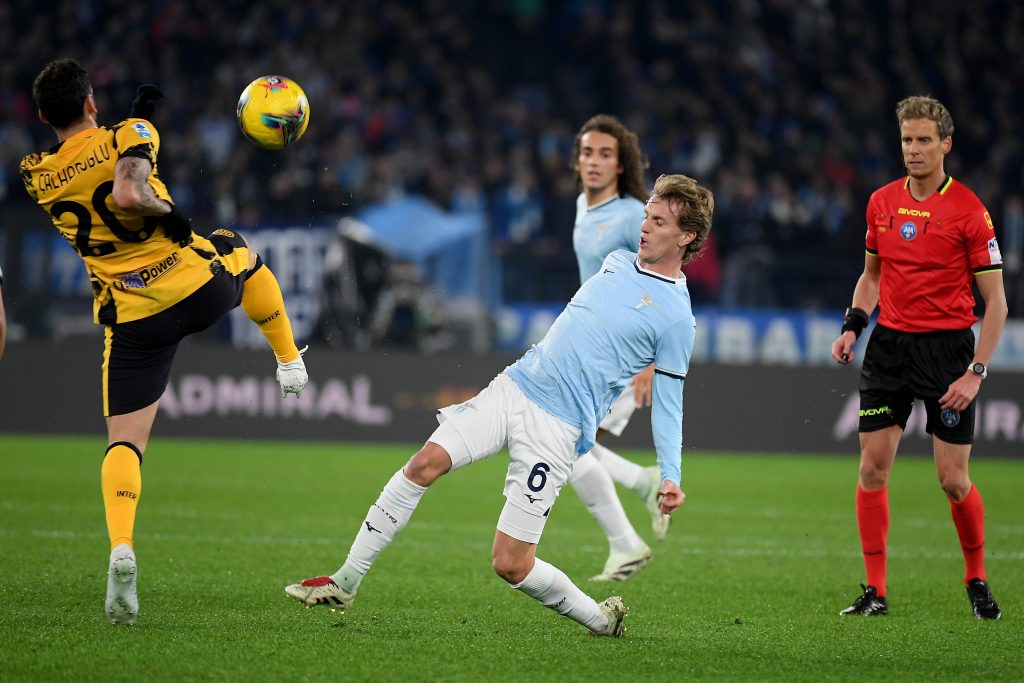
Central midfield defense plays a decisive role in Serie A, where controlling space between the lines often matters more than dominating possession. Teams with strong midfield defensive structures consistently reduce opponent shot quality, slow transitions, and dictate match rhythm without needing constant pressure. Analyzing which teams excel in this area requires understanding how positioning, discipline, and role balance shape outcomes across different game states.
Why midfield defense is especially critical in Serie A
Serie A’s tactical identity emphasizes spacing, patience, and risk management. The cause is long-standing defensive education; the outcome is congested central zones; the impact is that teams unable to protect midfield space are quickly exposed. Strong midfield defense limits access to zone 14 and forces opponents wide, lowering expected goal value and increasing predictability. In this league, midfield control often determines whether a match remains stable or escalates into chaos.
Structural principles behind strong midfield defensive units
Teams with elite midfield defense rely on compact horizontal spacing rather than constant pressing. Defensive midfielders screen passing lanes while central midfielders adjust distances dynamically to prevent vertical progression. This structure allows defenders behind them to hold shape instead of stepping out, preserving numerical balance. The effectiveness lies in anticipation and positioning, not just tackling volume.
Serie A teams most associated with midfield defensive strength
Several teams consistently demonstrate strong central midfield defense. Inter Milan use disciplined double pivots to shield their back line and control transitions. Juventus rely on positional awareness and experience to close central channels early. Napoli combine pressing triggers with intelligent cover, limiting opponent progression through the middle. Each applies a different method, but all prioritize central protection over wide aggression.
How midfield defense influences match tempo
Strong midfield defense naturally slows matches. By denying central access, teams force opponents into longer circulation sequences and low-risk passes. This reduces tempo and increases frustration, often leading to speculative shots or forced crosses. In Serie A, this dynamic favors teams comfortable defending territory rather than chasing the ball, allowing them to maintain control without high possession shares.
Common indicators of effective midfield defensive control
Before results reflect dominance, midfield defensive strength appears in subtle patterns. These indicators help distinguish teams that truly control the center from those merely sitting deep.
Typical indicators include:
- Opponents receiving the ball with back to goal under immediate pressure
- Minimal successful through balls conceded centrally
- High interception rates in central lanes rather than wide zones
- Limited need for center-backs to step into midfield
Interpreting these indicators together shows that strong midfield defense prevents problems before they reach the defensive line. The list highlights how proactive positioning reduces emergency defending and stabilizes overall structure, even against technically superior opponents.
Trade-offs created by central defensive focus
While strong midfield defense offers control, it can limit attacking spontaneity. Teams often commit fewer players forward, reducing counterpressing numbers after turnovers. This trade-off results in lower attacking volume but greater match stability. In Serie A, many coaches accept this compromise, preferring consistent results over high-variance attacking output.
To clarify these trade-offs, the table below contrasts midfield-defensive teams with midfield-aggressive teams.
| Aspect | Defensive Midfield Focus | Aggressive Midfield Focus |
| Central space control | Strong | Variable |
| Match tempo | Slower | Faster |
| Attacking support | Limited | Higher risk |
Reading the table highlights why midfield-defensive teams are often reliable but less explosive. Their success depends on discipline and patience rather than constant initiative.
Odds interpretation when midfield defense dominates
From an odds interpretation perspective, strong midfield defense has clear implications. Matches involving these teams frequently underperform goal expectations because central chance creation is suppressed. When analyzing fixtures pre-match or during live play, observers may notice that price movement slows once midfield control becomes evident. In such situations, analysts reviewing market behavior across a betting interface may encounter ufa168 while assessing how reduced central penetration influences totals, handicaps, and draw probability. The key insight is that midfield dominance often stabilizes outcomes before the scoreboard reflects it.
Where midfield defensive strength can be neutralized
Even the strongest midfield defenses face limits. Rapid switches of play, overloads created by fullback underlaps, or elite individual dribblers can stretch central units beyond comfort. Once midfield spacing breaks, recovery becomes difficult because the structure relies on coordination rather than speed. Serie A teams with limited rotation depth are especially vulnerable late in matches when fatigue reduces positional sharpness.
Conditional scenarios that weaken midfield control
Midfield defensive effectiveness declines when teams chase games after conceding first, as spacing opens and screening roles lose priority.
Summary
Serie A teams with strong central midfield defense succeed by controlling space rather than possession. Compact spacing, intelligent screening, and disciplined role execution limit opponent creativity and stabilize match tempo. While this approach reduces attacking volatility, it delivers consistency and predictability in outcomes. Understanding midfield defensive strength provides deeper insight into why certain teams remain difficult to break down and how they shape matches long before goals are scored.
