
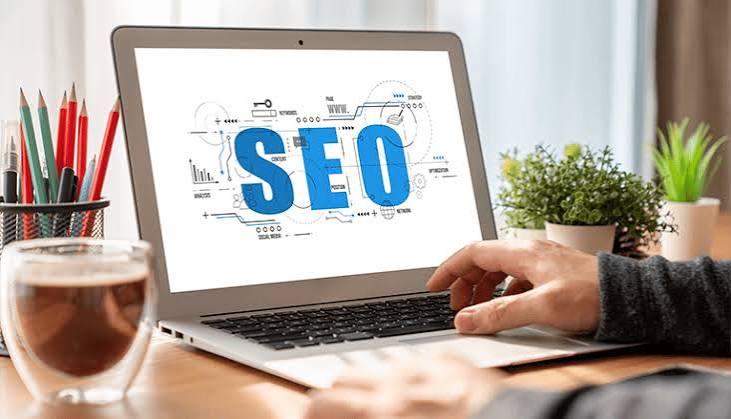
Improving website rankings requires a strategic approach that focuses on useful content, technical performance, search intent, and a strong website structure. ทำSEO is not about finding a secret shortcut to the top of Google. Instead, it involves making a website easier for search engines to crawl and understand while providing visitors with valuable information. Google’s current guidance emphasizes helpful, reliable, people-first content and strong technical fundamentals.
Understand Your Target Audience
The first step in improving search visibility is understanding who your website is designed to serve. Before selecting keywords or creating content, identify your audience, their problems, their questions, and the solutions they are looking for.
Understanding your audience allows you to create pages that answer real questions instead of producing content simply because a keyword has search volume. A user-focused approach can also make your website more useful and relevant across the entire customer journey.
Perform Detailed Keyword Research
Keyword research helps identify the terms people use to discover products, services, and information. However, effective SEO requires more than choosing keywords with high search volume.
Consider relevance, competition, search intent, and business value when selecting keywords. Long-tail keywords can also be valuable because they often represent specific questions or needs.
Organize related keywords into topic groups and assign them to appropriate pages. This creates a clearer content structure and helps prevent multiple pages from unnecessarily competing for the same search terms.
Match Content With Search Intent
Search intent refers to the reason behind a user’s search. Someone searching for an educational topic may want an explanation, while another user may be comparing services or preparing to make a purchase.
Your content should provide the type of information users expect. Informational searches may require detailed guides, while commercial searches can benefit from comparisons, service details, examples, and clear next steps.
Matching content to intent can improve relevance and create a more satisfying experience for visitors.
Create Helpful, Original Content
One of the most important SEO strategies is creating content that genuinely helps people. Google recommends people-first content that is useful, reliable, original, and created with a real audience in mind.
Instead of publishing large quantities of repetitive articles, focus on developing comprehensive resources that answer important questions. Add original insights, practical examples, relevant data, and information that helps readers accomplish their goals.
Existing content should also be reviewed regularly. Outdated pages may need new information, improved structure, or removal if they are no longer useful.
Optimize Page Titles and Headings
Page titles and headings help users and search engines understand what a page is about. Google recommends creating titles that are unique, clear, concise, and accurate descriptions of the page’s content.
Use the primary topic naturally in the title and main heading where appropriate. Supporting headings can organize longer content into logical sections.
Avoid making titles overly repetitive or stuffing keywords into headings. Clarity and usefulness should remain the priority.
Improve Your Website Structure
A logical website structure makes it easier for users to navigate and helps search engines understand how different pages relate to one another.
Organize content into meaningful categories and connect related pages through internal links. Descriptive URLs can also help users understand what a page is about before clicking it.
A clear structure can be especially important for larger websites because it helps search engines discover important pages and understand the relationships between different topics.
Use Internal Links Strategically
Internal links connect pages within your own website. They can help visitors discover related resources while supporting search engine crawling and content discovery.
For example, an educational article can link to a related service page, while a service page can link to a detailed guide or FAQ.
Use descriptive anchor text that gives visitors a clear idea of what they will find after clicking. Relevant internal linking can create a more connected and useful website experience.
Improve Technical SEO
Technical SEO provides the foundation for organic search performance. Search engines need to be able to crawl, render, and index important pages effectively.
Review your website for broken links, indexing issues, incorrect redirects, inaccessible resources, poor mobile usability, and other technical problems. Google also recommends checking how its crawler sees important pages and using Search Console to monitor indexing and search performance.
Resolving significant technical issues can help search engines access and understand your content more effectively.
Optimize Website Performance
Website performance affects the experience visitors receive after clicking a search result. Slow or difficult-to-use pages can create friction and make it harder for users to find information.
Review page loading performance, image sizes, scripts, mobile usability, and other elements that may affect how quickly pages become usable.
Performance optimization should be approached as part of an overall user experience strategy rather than focusing on a single technical measurement.
Optimize Images
Images can improve content and provide additional opportunities for discovery. Use high-quality images that are relevant to the surrounding content and ensure they are appropriately optimized.
Descriptive image information can help search engines understand visual content. Google recommends placing high-quality images near relevant text and making them understandable to users and search engines.
Avoid using unnecessarily large image files that can slow down page loading.
Build Quality External Links
Links from other relevant websites can help people discover your content and may contribute to the broader authority and visibility of your website.
Instead of trying to acquire large numbers of links, focus on creating resources that other websites genuinely want to reference. Original research, useful guides, industry resources, expert insights, and digital PR can create legitimate opportunities for external links.
Avoid link schemes and manipulative tactics. Google specifically warns against strategies such as link popularity schemes and large-scale submissions designed solely to influence rankings.
Strengthen Local SEO
If your business serves a specific geographic area, local SEO can help you reach nearby customers. Maintain accurate business information, optimize relevant location pages, and create content that addresses the needs of your local audience.
Encourage genuine customers to leave reviews and keep important business details consistent across relevant platforms.
Local optimization can help businesses become more visible when potential customers search for nearby services or products.
Improve User Experience
SEO should not stop when someone reaches your website. The page should make it easy for visitors to find answers, understand your offering, and take the next step.
Use clear navigation, readable typography, logical layouts, mobile-friendly pages, useful internal links, and straightforward calls to action.
Google’s guidance emphasizes providing an overall good page experience rather than focusing on only one or two isolated page-experience factors.
Use Search Console to Monitor Performance
Google Search Console provides valuable information about how a website performs in Google Search. It can help website owners monitor search visibility, indexing, queries, clicks, impressions, and potential technical issues.
Review performance regularly to identify pages that are gaining visibility, queries that are generating impressions, and areas that may need additional optimization.
Data-driven SEO makes it easier to decide where to focus future efforts.
Update Existing Content
Creating new content is useful, but improving existing pages can also provide valuable opportunities. Review older articles and pages to determine whether the information remains accurate and complete.
Update outdated statistics, improve explanations, add useful examples, strengthen internal links, and remove information that is no longer relevant.
Content maintenance can help keep important pages useful as industries, products, and user expectations change.
Avoid Keyword Stuffing
Keywords are important for helping search engines and users understand a page, but excessive repetition can make content difficult to read. Google specifically identifies keyword stuffing as a practice to avoid.
Use keywords naturally within titles, headings, body content, URLs, image descriptions, and link text where they genuinely make sense. Search engines can understand related concepts and variations without requiring the same phrase to appear repeatedly.
Track Business Results, Not Just Rankings
Rankings are useful indicators, but they should not be the only measure of SEO success. Organic traffic, qualified leads, conversions, engagement, and revenue can provide a better understanding of whether search optimization is helping the business.
A page moving higher in search results is valuable when it brings relevant visitors who take meaningful actions. Set measurable goals and review performance regularly to determine which strategies are contributing to business growth.
Be Patient and Consistent
SEO improvements do not always produce immediate results. Google notes that changes can take anywhere from hours to several months to be reflected in search, and recommends waiting a few weeks before evaluating the impact of many changes.
This makes consistency important. Continue improving content, resolving technical problems, monitoring performance, and adapting your strategy based on data rather than expecting instant ranking changes.
Conclusion
The best ทำSEO strategies to improve website rankings today focus on creating helpful content, understanding search intent, conducting relevant keyword research, improving technical performance, building a logical website structure, strengthening internal links, optimizing images, and earning quality external references.
SEO success does not come from a single trick. It comes from consistently making a website more useful, accessible, trustworthy, and relevant to its audience. By following search engine best practices and measuring real performance, businesses can build a stronger organic presence and create sustainable opportunities for increased visibility and traffic.
